As global temperatures continue to fluctuate more dramatically and energy prices remain unpredictable, the demand for energy-efficient homes has never been stronger. In December 2025, architects, builders, and homeowners around the world are adopting new strategies that keep homes naturally comfortable—cooler in the summer, warmer in the winter, and far less dependent on air conditioners, heaters, and high-energy appliances.
The new generation of energy-smart buildings combines smart design, advanced materials, and nature-based solutions to maintain indoor comfort year-round. Here is how modern homes are being designed and built today to minimize energy use while maximizing comfort.
---
1. Passive Design: The Foundation of Energy Efficiency
Passive design is the cornerstone of energy-saving construction in 2025. Instead of relying on mechanical cooling or heating, passive homes use architectural features to regulate temperature naturally.
Key Passive Design Strategies
Orientation: Positioning the home to maximize winter sun and minimize summer heat gain. In hot climates, limiting west-facing windows significantly reduces overheating.
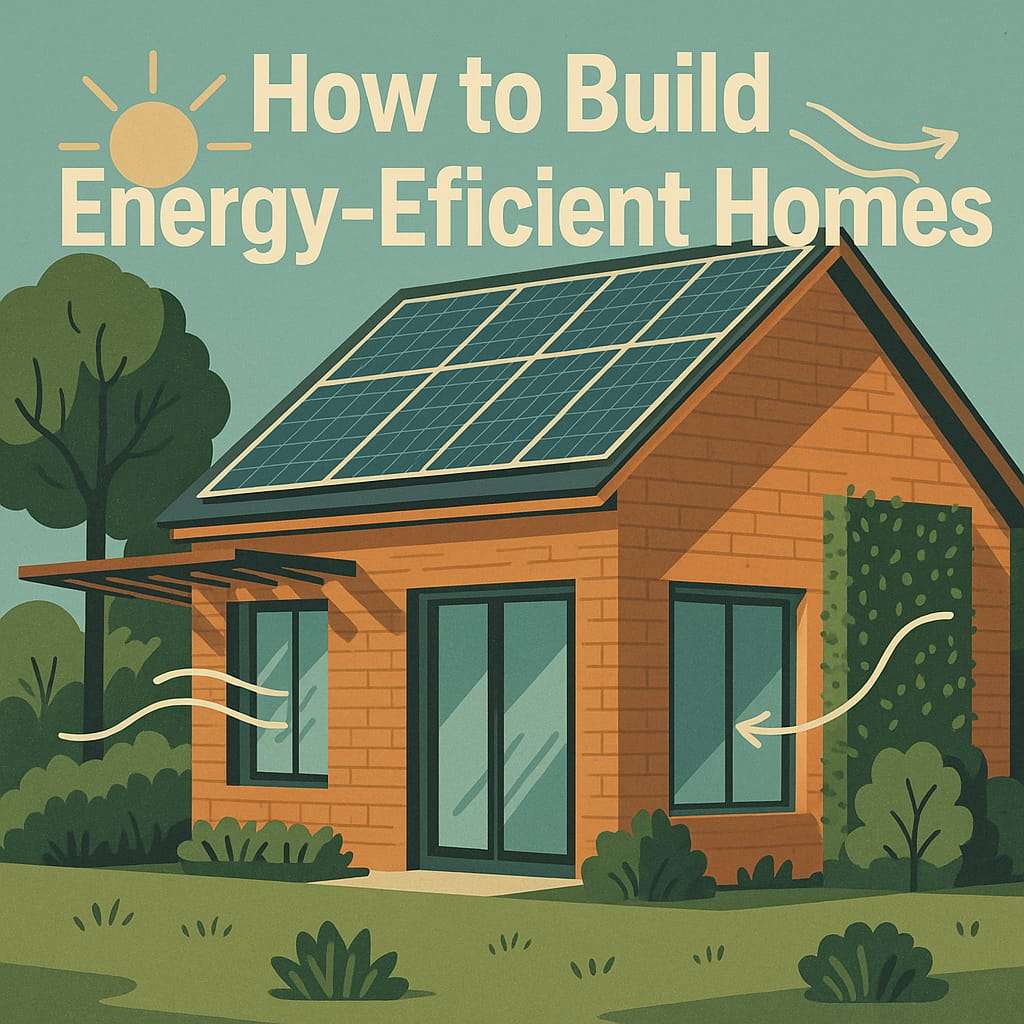
Shading: Deep overhangs, pergolas, window shutters, and vegetation (such as trees and vertical gardens) prevent excessive sun exposure in summer.
Cross-Ventilation: Designing openings to allow cool breezes to flow through the home, reducing the need for air conditioning.
Thermal Mass: Using materials such as concrete, stone, or rammed earth to absorb heat during the day and release it at night.
Passive design alone can reduce annual cooling costs by 30%–50%, according to 2025 sustainability assessments.
---
2. High-Performance Insulation and Airtightness
Insulation is no longer just about thick walls—it is about smart insulation systems that control heat flow with precision.
Modern Insulation Techniques (2025)
Advanced mineral wool and cellulose for eco-friendly thermal protection.
Spray-foam insulation for full airtight sealing.
Insulated concrete forms (ICFs) that combine structure and insulation in one.
Triple-glazed windows with low-emissivity coatings to prevent heat loss in winter and reduce heat gain in summer.
Airtight homes retain warmth in cold climates and prevent hot air from infiltrating during summer, greatly reducing HVAC usage.
---
3. Cool Roofs and Energy-Smart Building Envelopes
The “building envelope” is the barrier between inside and outside. In 2025, envelope technology has become dramatically more efficient.
Trending Envelope Technologies
Cool roofs coated with reflective materials to reduce heat absorption.
Ventilated facades that create an air gap, keeping walls cooler.
External insulation systems (EIFS) that protect the building blanket from extreme outdoor temperatures.
Cool roofs alone can cut indoor temperatures by 2–4°C, reducing the need for air conditioning in summer.
---
4. Natural and Smart Ventilation Systems
Modern homes rely on hybrid ventilation, blending natural airflow with low-energy systems.
Key Features
Heat-recovery ventilators (HRV): Bring fresh air in while retaining warmth in winter.
Energy-recovery ventilators (ERV): Balance humidity and temperature when bringing air inside.
Smart ventilation algorithms that open or close vents based on outdoor conditions.
These systems greatly reduce the need for heaters in winter and help maintain balanced indoor air quality.
---
5. Solar Shading & Vegetation: Nature as Climate Control
Green architecture has matured significantly by 2025.
Nature-Based Cooling Tools
Green roofs that cool the building naturally.
Shade-giving trees strategically planted on the west and south sides.
Vertical gardens (green walls) that lower surrounding temperatures and improve air quality.
Homes using vegetation-based shading see, on average, a 15% reduction in cooling demand.
---
6. Smart Glass and Dynamic Windows
One of the major breakthroughs of 2025 is dynamic glazing, also known as "smart glass."
How It Works
Glass automatically tints when exposed to strong sunlight.
Reduces heat gain without blocking the view.
Provides insulation during winter to keep warmth inside.
These windows can cut cooling loads by 20%–30% annually.
---
7. Efficient Layout and Zoning Inside the Home
Energy efficiency is not only about materials—it’s also about interior layout:
Place living areas where they receive winter sun.
Put bedrooms in naturally cooler parts of the home.
Use insulated doors to create “thermal zones” so you only cool or heat the areas in use.
Zoning is considered one of the most cost-effective energy-saving strategies for new homes in 2025.
---
8. Renewable Energy Integration
While the focus is on minimizing mechanical systems, renewable energy remains a strong support pillar.
Popular Renewable Integrations
Solar panels with battery storage ensure efficient, reliable energy.
Solar water heaters reduce electricity use for hot water.
Air-source and ground-source heat pumps that use far less energy than traditional heaters or ACs.
Even in low-energy homes, renewable energy contributes significantly to comfort and cost reduction.
---
Conclusion: Homes That Work With Nature, Not Against It
As we reach the end of 2025, the future of sustainable housing is clear: energy-efficient homes are no longer experimental—they are becoming standard. The shift is driven by rising energy costs, climate concerns, and a growing awareness that comfort does not need to rely on air conditioners or heaters.
By combining passive design, insulation, shading, natural ventilation, smart technology, and renewable energy, homeowners can enjoy living spaces that remain pleasant year-round with minimal energy consumption.
Energy-smart construction is not only good for the environment—it saves families money and creates healthier, more comfortable homes for decades to come.